One of the most advanced maritime training simulators has been launched at our university
| "A Ship on land” for future maritime professionals
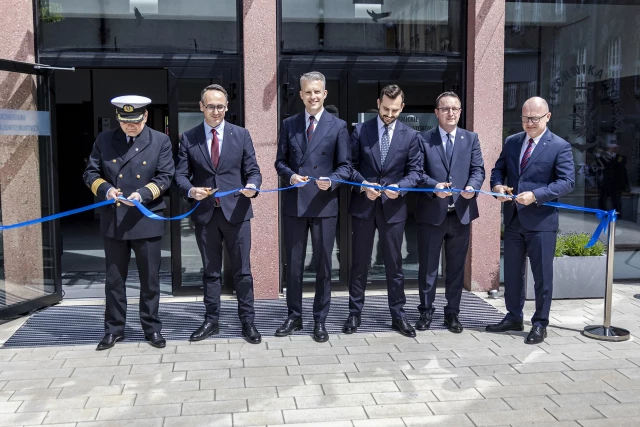
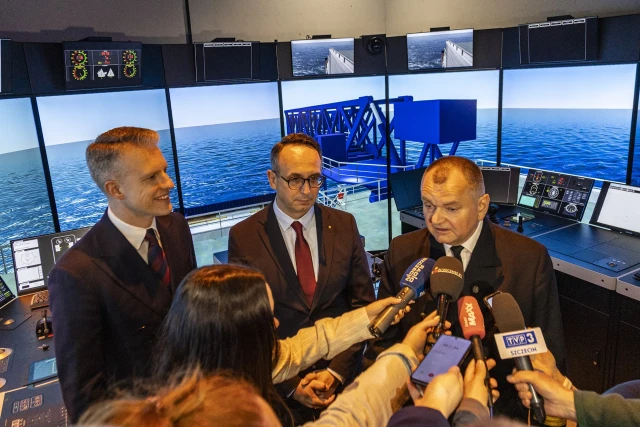
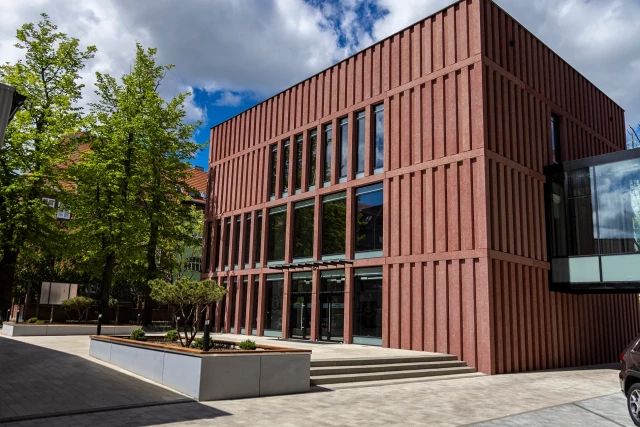
The Maritime University of Szczecin has officially opened its new Academic Simulation Centre (ACS), one of the most advanced facilities of its kind in Europe. The three-storey building was built thanks to government funding and is located next to the University’s historic campus at Jarowita Street.The official opening ceremony took place on May 22nd 2026, during the University Day celebrations. The event was attended by representatives of national and regional authorities, including Minister of Infrastructure Dariusz Klimczak, Deputy Minister Arkadiusz Marchewka and the Mayor of Szczecin Piotr Krzystek. Guests were invited by Rector Wojciech Ślączka to tour the new facility.
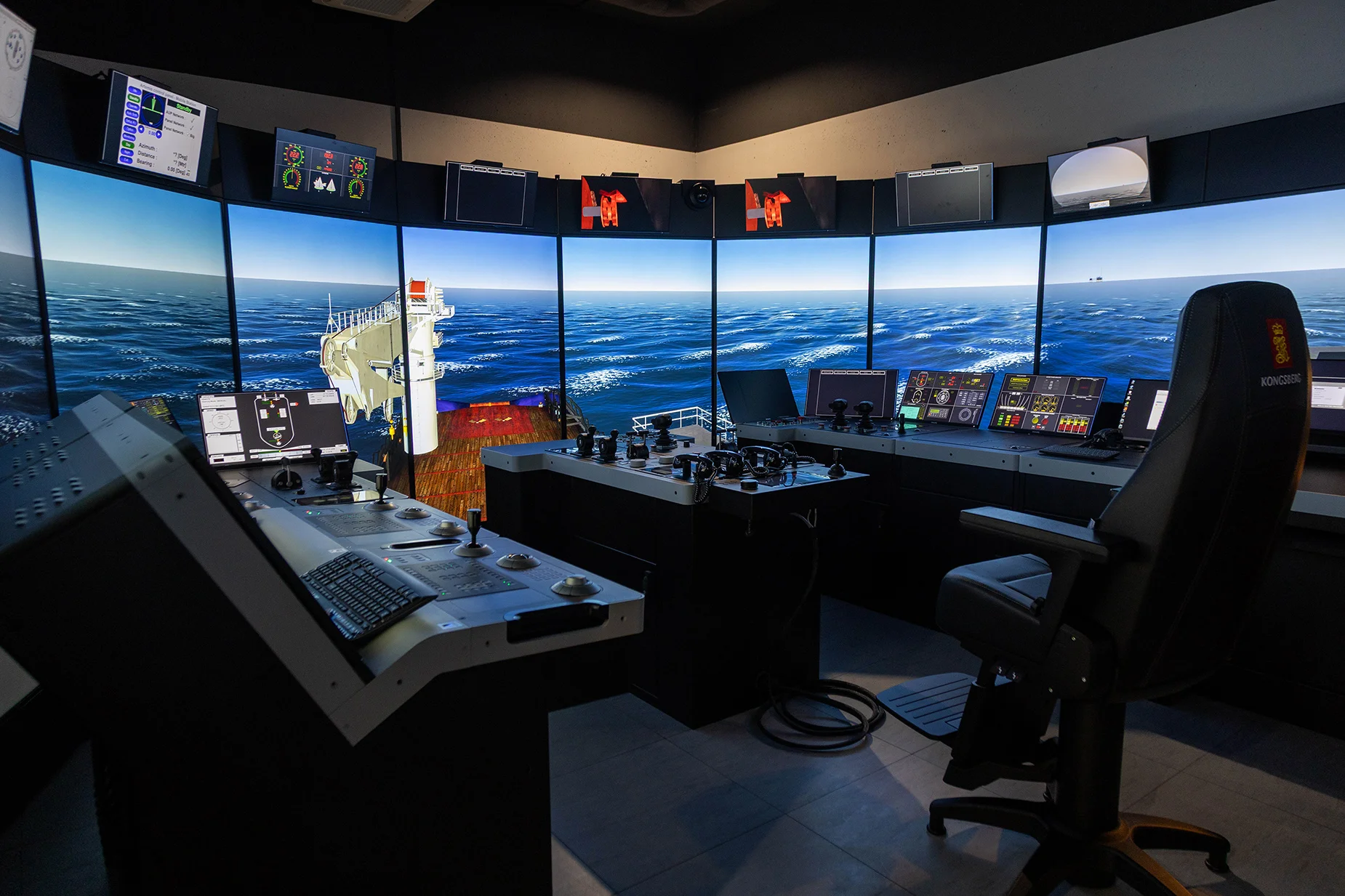
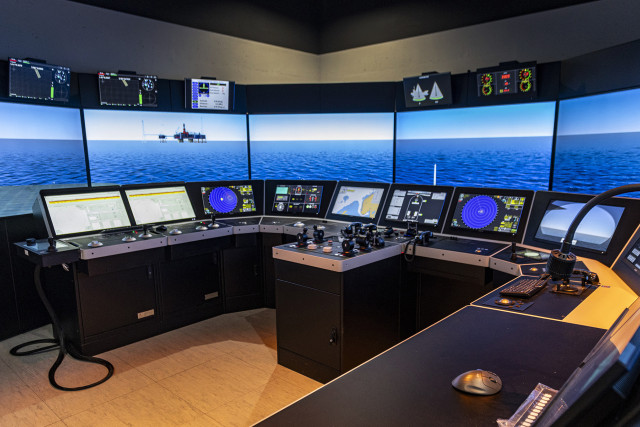
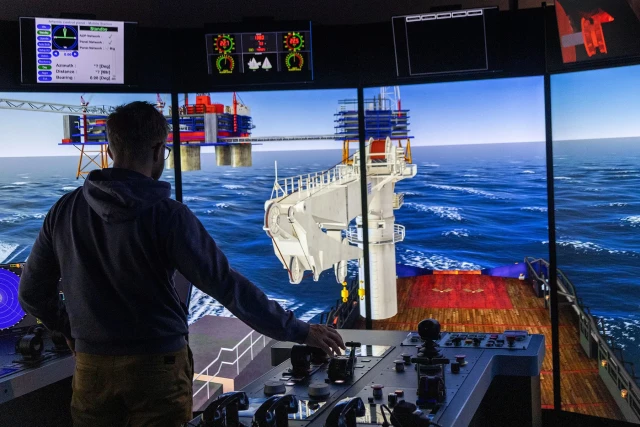
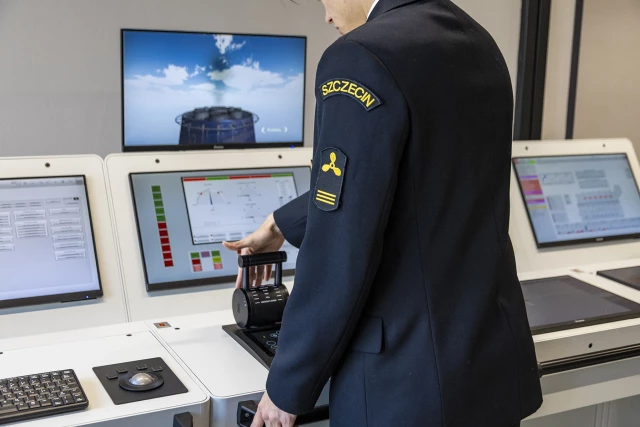
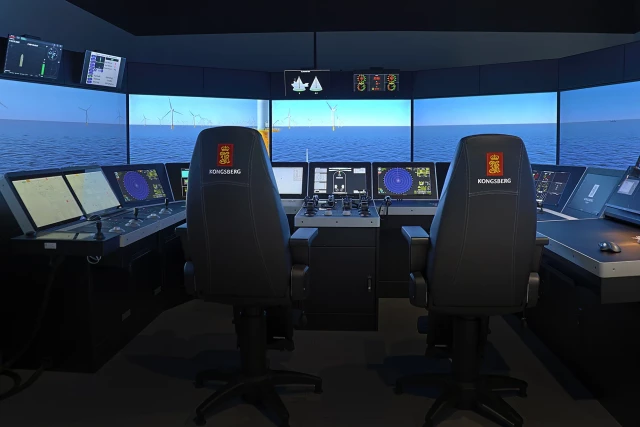
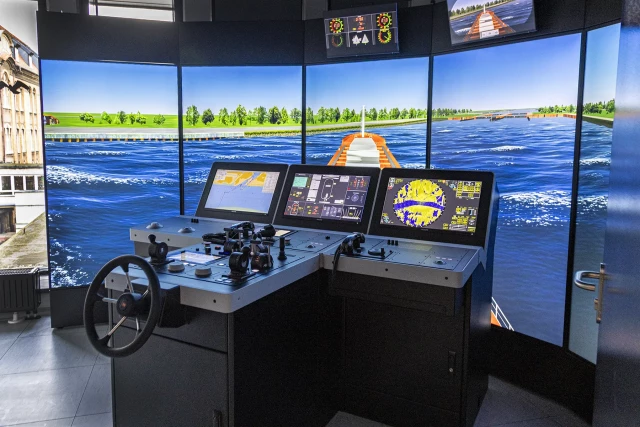
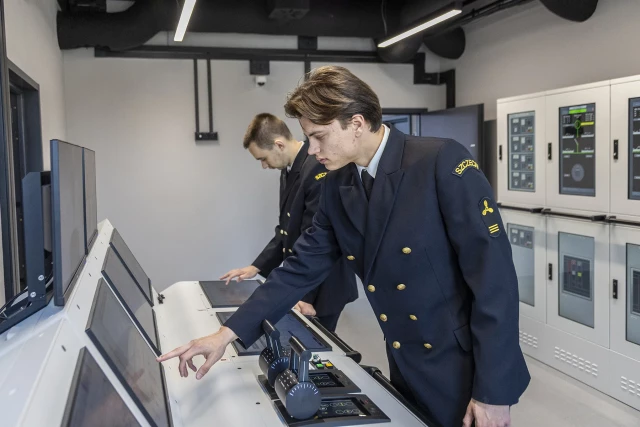
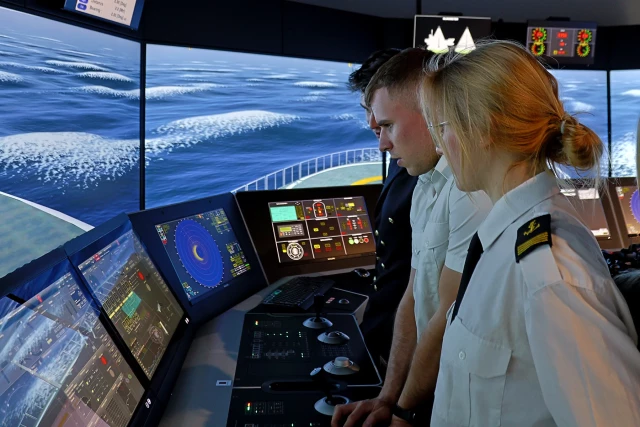
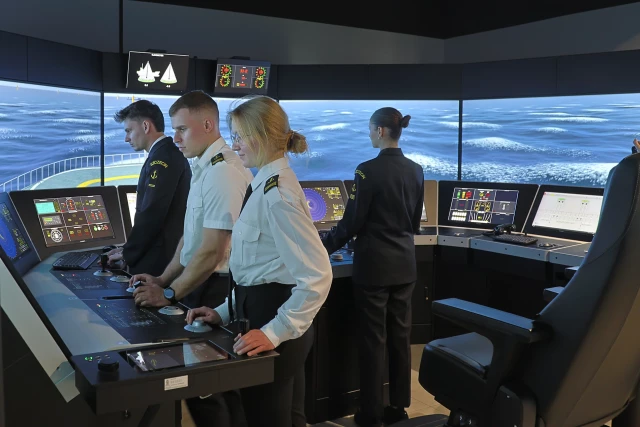
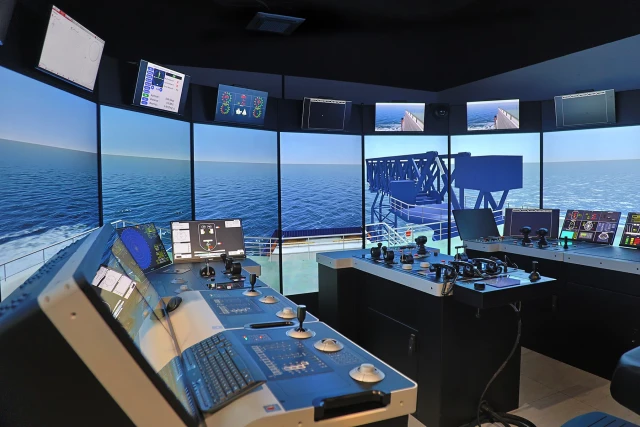
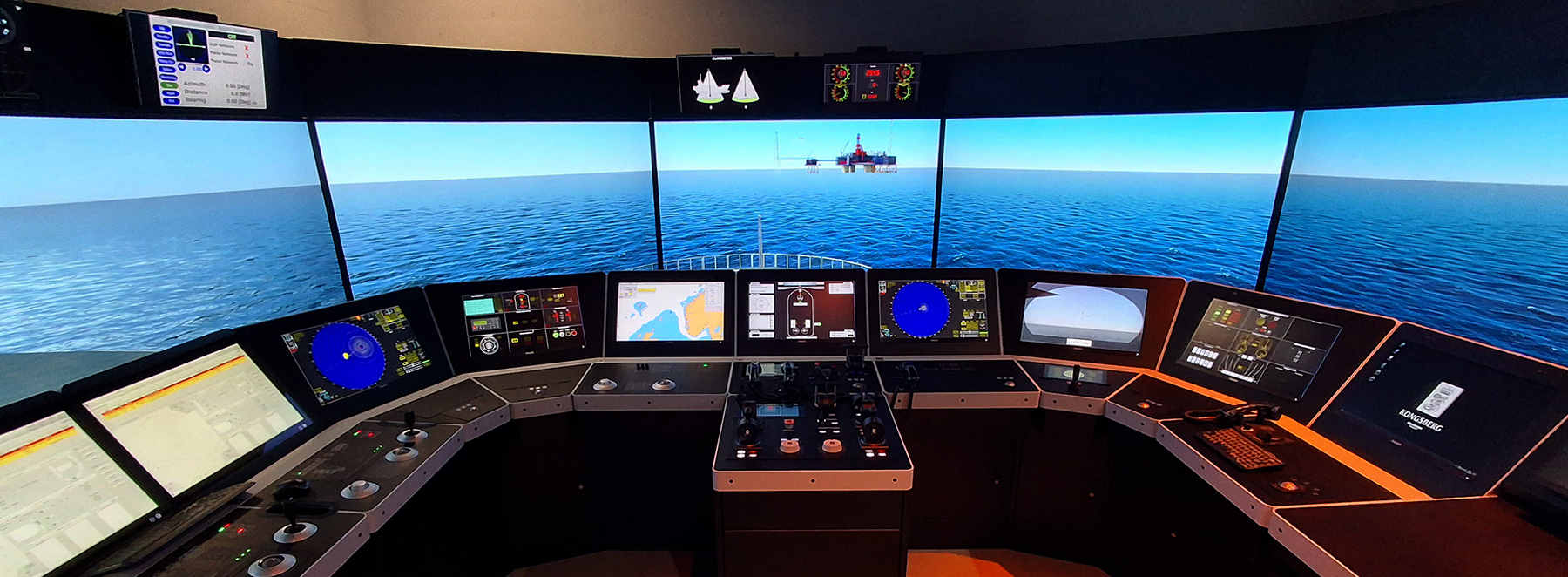
The modern facility covers approximately 667 square metres and has been designed to provide highly realistic, practical training for students and maritime professionals. The Centre includes advanced bridge simulators, DP bridge simulators, engine room simulators integrated with an Engine Control Room system, as well as modern classrooms and technical facilities. Simulator screens provide a highly immersive, wide field-of-view.
We are opening a new simulation infrastructure that combines navigation and engine room simulators. You could say that we now have a ‘digital ship’ here. It will support education and training for both navigators and marine engineers,” said Wojciech Ślączka, Rector of the Maritime University of Szczecin.
Students of Navigation, Mechanical Engineering and Mechatronics will develop practical skills in ship operations, navigation systems and engine room management under conditions closely resembling real-life maritime operations. The integrated simulation systems allow students to practise manoeuvring, emergency procedures and onboard cooperation in a safe and controlled environment.
| Modern training in realistic maritime conditions
Training sessions at the Academic Simulation Centre are conducted in small groups and follow professional industry standards. Each exercise begins with a briefing and scenario presentation, followed by simulator-based operations supervised by experienced instructors. Every session concludes with a detailed analysis of the performed tasks and manoeuvres. Students' activities will be recorded and monitored, enabling tracking of actions, analysis of events, and correction of mistakes. The simulations replicate the natural working environment at sea as closely as possible, including rapid weather changes or gear or power failure.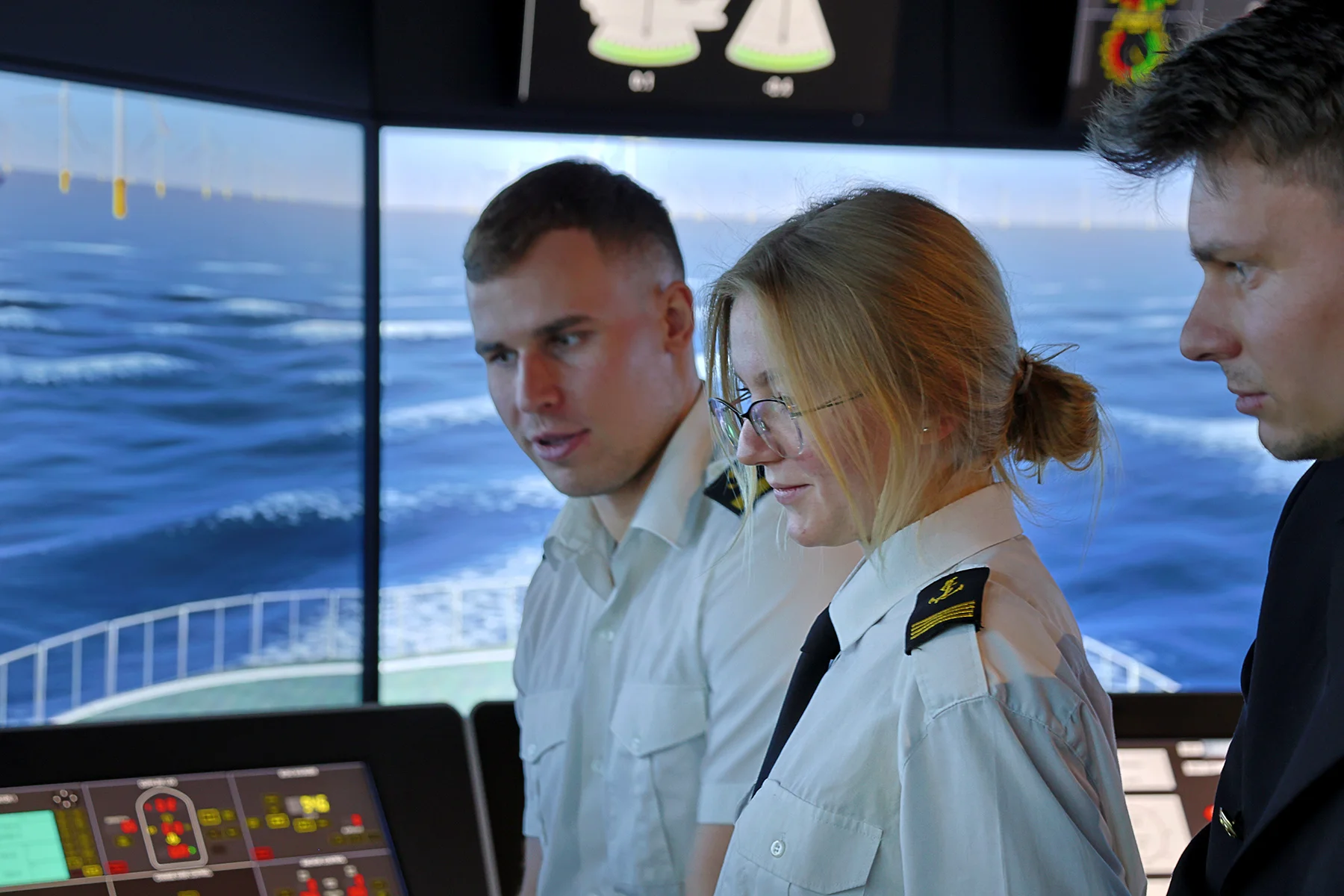
The new Academic Simulation Centre significantly strengthens the University’s educational and research potential and responds to the growing needs of the modern maritime and offshore sectors. The investment supports the development of future maritime professionals and contributes to improving operational safety and competence in the maritime industry.